
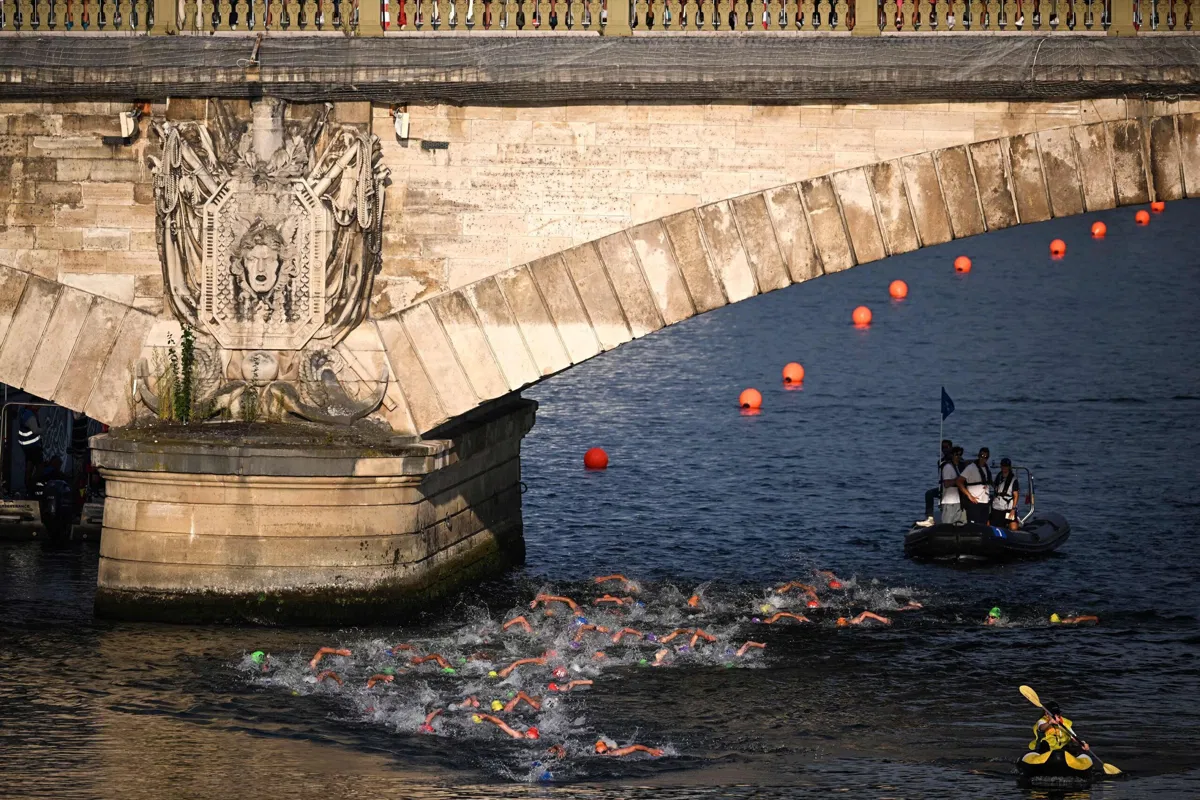
Big Worries Over River Seine’s Water Quality
In recent times, the River Seine has become a focal point of environmental concern, with mounting worries over its water quality. Once the lifeblood of Paris, providing sustenance, transportation, and recreation, the Seine is now under scrutiny for its increasingly polluted state. This article delves into the current state of the river, the factors contributing to its degradation, and the efforts being made to restore its former glory.
The Current State of the Seine
The River Seine flows through the heart of Paris, stretching over 770 kilometers from its source in Burgundy to the English Channel at Le Havre. Historically, it has been an essential waterway for commerce and a cherished natural resource. However, recent studies have highlighted a worrying decline in its water quality. Elevated levels of pollutants, including heavy metals, pesticides, and untreated sewage, have been detected, posing significant risks to both human health and the ecosystem.
Sources of Pollution
Several factors contribute to the Seine’s deteriorating water quality:
- Urban Runoff: As Paris and its surrounding areas have urbanized, increased runoff from roads, rooftops, and other impervious surfaces has led to higher concentrations of pollutants entering the river.
- Industrial Discharges: Factories and industrial facilities along the Seine and its tributaries have historically released contaminants into the waterway. Although regulations have tightened, legacy pollution and occasional breaches continue to be problematic.
- Agricultural Activities: Runoff from agricultural lands carries fertilizers, pesticides, and other chemicals into the river system. These pollutants can cause algal blooms and disrupt aquatic life.
- Sewage and Wastewater: Despite significant improvements in sewage treatment infrastructure, overflow events and inadequate treatment facilities still contribute to the pollution load.
Environmental and Health Impacts
The pollution in the Seine has far-reaching consequences:
- Biodiversity Loss: Aquatic life, including fish and invertebrates, suffers from the degraded water quality. Pollutants can disrupt breeding cycles and lead tuyul168 slot login to population declines.
- Human Health Risks: The river is a popular spot for recreational activities such as boating and swimming. Exposure to contaminated water poses health risks, including skin irritations, gastrointestinal issues, and more severe illnesses from pathogens.
- Economic Impact: Tourism and local economies that depend on a healthy river are negatively affected. A polluted Seine can deter visitors and reduce the quality of life for residents.
Efforts to Clean Up the Seine
Despite the challenges, various initiatives are underway to address the Seine’s pollution:
- Stricter Regulations: Authorities have implemented stricter regulations on industrial discharges and agricultural runoff to reduce the influx of pollutants.
- Upgrading Infrastructure: Investments in modernizing sewage treatment plants and stormwater management systems are crucial to preventing untreated waste from entering the river.
- Public Awareness Campaigns: Raising awareness about the sources and impacts of pollution encourages communities to adopt more sustainable practices and support conservation efforts.
- Restoration Projects: Efforts to restore wetlands and riparian zones along the Seine aim to improve water quality and provide habitats for wildlife.
The fight to restore the Seine to its former glory is far from over. Continued vigilance, combined with innovative solutions and community engagement, is essential. As Paris prepares to host the 2024 Summer Olympics, there is renewed focus on the river, with ambitious goals to make it swimmable by then. Achieving this would be a symbolic victory, demonstrating the city’s commitment to environmental stewardship and sustainable urban living.
In conclusion, the River Seine’s water quality issues are a complex challenge, but with concerted efforts from government, industry, and the public, there is hope for a cleaner, healthier future for this iconic waterway. The river that has inspired artists, poets, and dreamers for centuries deserves no less.