World Cup: Glory or Gutwrench?
Introduction
The roar of the crowd, the electrifying tension in the air, the dazzling displays of skill – the World Cup. It’s a spectacle that captivates billions, a global festival uniting nations in a shared passion. But behind the shimmering confetti and the victory parades lies a more complex reality. For every team hoisting the trophy, there are many more left grappling with defeat, grappling with the emotional and professional fallout that can linger long after the final whistle. Is the World Cup then, a gateway to everlasting glory, or a gut-wrenching experience that can shatter dreams? The answer, as you might suspect, is likely a bit of both.
We’re not just talking about the sting of losing. We’re talking about the very real, and often overlooked, short-term and long-term impacts on players, teams, and even entire nations. Think about it: years of grueling training, unwavering dedication, and intense pressure all culminating in a few pivotal weeks. The stakes are astronomical, and the repercussions of success or failure can be seismic.
Explanation of the Problem
The Short-Term Pain, The Fleeting High:
Immediately after a World Cup, the emotional landscape is a rollercoaster. For the victors, there’s unadulterated joy, a surge of national pride, and a flurry of lucrative endorsements. They’re instantly elevated to legendary status, their faces plastered across billboards, their names chanted in every corner of their nation.
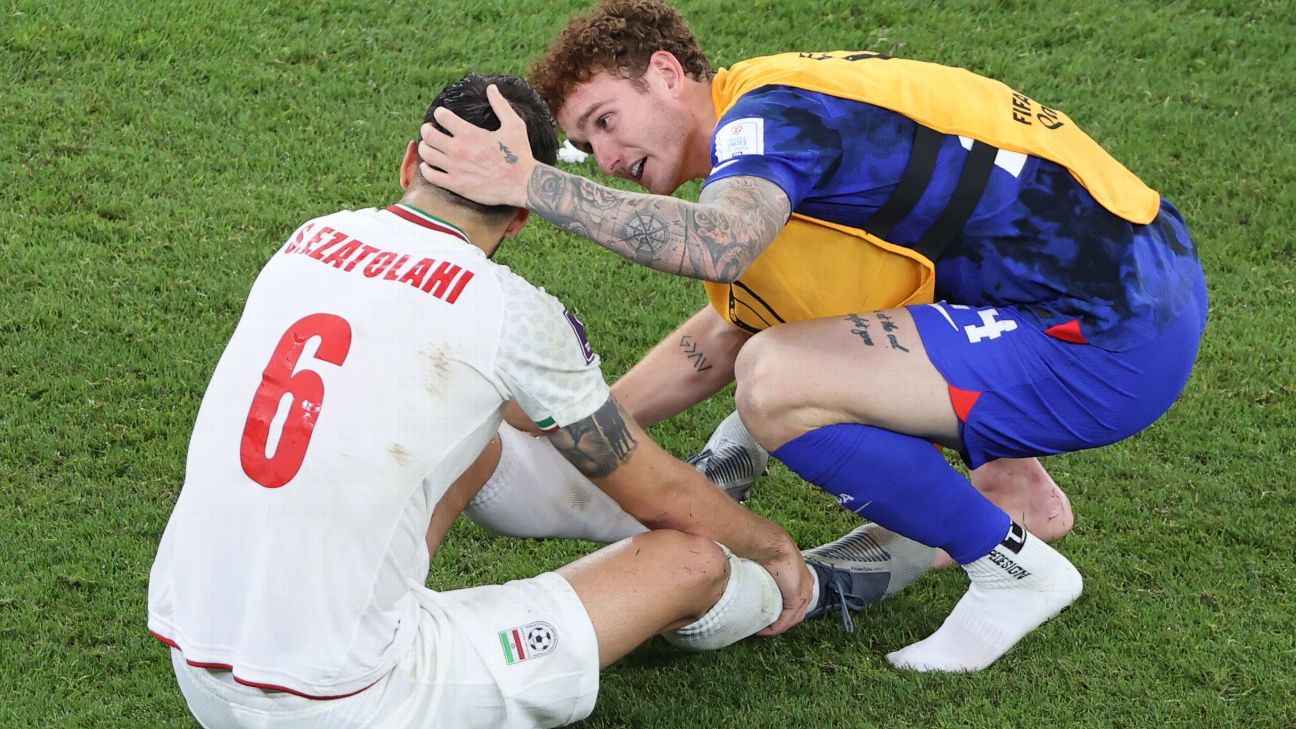
However, for the losing teams, particularly those who were expected to perform well, the aftermath can be brutal. There’s the immediate disappointment, the frustration of missed opportunities, and the gnawing sense of “what if.” Players face intense scrutiny from the media and fans, often becoming scapegoats for their team’s shortcomings. Coaches may lose their jobs, and entire national football programs can be thrown into disarray.
Think about the 2014 World Cup in Brazil. The host nation, brimming with expectation, suffered a humiliating 7-1 defeat to Germany in the semi-finals. The immediate reaction was one of shock and despair. Players were visibly devastated, the coach faced immense pressure, and the nation mourned what they perceived as a national tragedy. This emotional scar took years to heal, and the memory continues to haunt Brazilian football fans.
The Long Game: Ripple Effects That Resonate:
The long-term impact extends far beyond the immediate aftermath. A successful World Cup campaign can have a profound effect on a nation’s morale and self-esteem. It can inspire a new generation of players, attract more investment into youth development programs, and even boost tourism and the national economy. Spain’s victory in the 2010 World Cup is a prime example. The win sparked a renewed sense of national pride and contributed to a surge in popularity for Spanish football.
Conversely, a disappointing performance can have lasting negative consequences. It can lead to a decline in player morale, a loss of faith in the national team, and a decrease in funding for football programs. The negative press and public criticism can take a toll on players’ mental health, leading to burnout, anxiety, and even depression.
Consider the case of England. Despite occasional glimpses of promise, England has consistently fallen short of expectations in major tournaments. This has led to a sense of frustration and disillusionment among fans, a constant questioning of the national team’s ability, and a cycle of hype followed by disappointment. This pattern has arguably hampered the development of English football and created a self-fulfilling prophecy of failure.
Solutions
So, how can players and teams navigate the intense pressures of the World Cup and mitigate the negative consequences of defeat? Here are some practical solutions:
- Prioritize Mental Wellbeing: This is paramount. Teams need to invest in qualified sports psychologists who can provide players with the tools and strategies to cope with stress, manage expectations, and maintain a positive mindset, regardless of the outcome. Regular counseling sessions, mindfulness exercises, and open communication channels can help players address their anxieties and prevent burnout.
- Example: Many top European clubs now have dedicated mental health teams that work closely with players, providing individualized support and guidance.
- Focus on Process, Not Just Outcome: Emphasize the importance of hard work, dedication, and continuous improvement. By focusing on the process of training and preparation, players can develop a sense of control and reduce the pressure associated with the outcome. Celebrate small victories and learn from mistakes.
- Example: Instead of solely focusing on winning the World Cup, a team could set specific goals for each game, such as improving passing accuracy or maintaining defensive discipline.
- Cultivate a Strong Team Culture: Create an environment of trust, support, and mutual respect. Encourage players to communicate openly and honestly, and foster a sense of camaraderie that extends beyond the pitch. This can help players feel less isolated and more resilient in the face of adversity.
- Example: A team could organize team-building activities, such as volunteering or engaging in social events, to strengthen bonds and create a sense of unity.
- Develop Robust Contingency Plans: Prepare for different scenarios and have plans in place to address potential setbacks. This includes having backup players ready to step in if injuries occur, developing alternative game plans to counter different opponents, and establishing clear communication protocols for dealing with unexpected events.
- Example: A team could practice different formations and tactical approaches during training, so they are prepared to adapt to changing circumstances during a game.
- Engage with Fans Responsibly: Encourage players to interact with fans in a positive and respectful manner, but also set boundaries to protect their privacy and mental health. Provide media training to help players navigate interviews and manage public scrutiny.
- Example: A team could organize meet-and-greet events for fans, but also establish clear guidelines for social media usage and online interactions.
Alternative Approaches: A Menu of Options:
Beyond these core solutions, there are alternative approaches that teams can consider:
- Focus on Youth Development: Invest in long-term youth development programs to cultivate a pipeline of talented players. This can help reduce reliance on individual stars and create a more sustainable foundation for future success.
- Embrace Data Analytics: Utilize data analytics to gain a competitive edge and make more informed decisions. This can help teams identify areas for improvement, optimize training strategies, and develop more effective game plans.
- Promote Ethical Leadership: Instill a culture of ethical leadership throughout the organization, from the coaches to the players to the administrative staff. This can help prevent corruption, promote fair play, and ensure that the team’s actions are aligned with its values.
Conclusion
The World Cup will always be a high-stakes, emotionally charged event. But it doesn’t have to be a solely defined by extremes. By prioritizing mental wellbeing, focusing on process, cultivating a strong team culture, and developing robust contingency plans, players and teams can navigate the pressures of the competition and mitigate the negative consequences of defeat.
Remember, even in defeat, there are opportunities for growth. By learning from mistakes, embracing new strategies, and maintaining a positive mindset, teams can emerge stronger and more resilient. The journey to the World Cup is a marathon, not a sprint. It’s a journey filled with challenges and opportunities, triumphs and setbacks. But ultimately, it’s a journey that can lead to personal and professional growth, regardless of the outcome.
The key is to approach the World Cup not as a win-or-lose proposition, but as an opportunity to learn, grow, and inspire. So, embrace the challenge, give it your all, and remember that even in the face of adversity, there is always hope for a brighter future. The world is watching, and the story is still being written. Let’s make it a story of resilience, growth, and ultimately, a story of lasting impact.