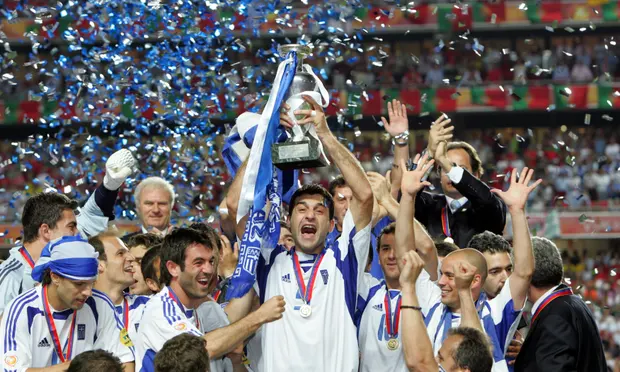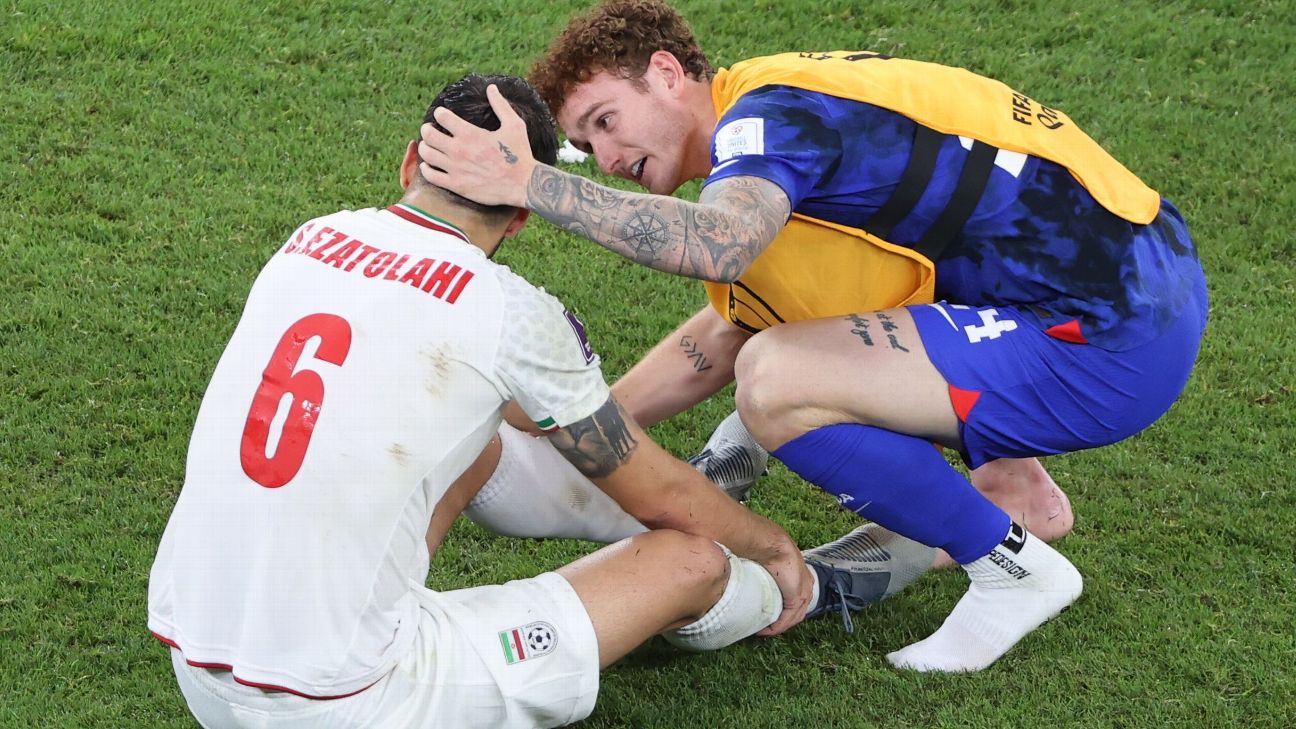
World Cup: Glory or Gut-Wrench?
The roar of the crowd, the flash of the floodlights, the collective breath held as the ball sails towards the net… The World Cup. It’s a spectacle that transcends borders, uniting billions in a shared passion. For a month, the world pauses, hypnotized by the beautiful game. But beyond the dazzling display of skill and national pride, lies a complex reality: is the World Cup a guaranteed path to glory, or does it come with a potential gut-wrench of unforeseen consequences?
We’re not just talking about the agony of defeat here, though that’s certainly a part of it. We’re diving deeper, exploring the short and long-term impacts – both positive and negative – that hosting, competing, and even just participating in this global phenomenon can have on a nation, its people, and its economy.
The Short-Term High: More Than Just Goals
Let’s start with the good stuff. The immediate buzz surrounding a World Cup appearance, let alone hosting one, is undeniable. Economically, a successful tournament can provide a significant boost. We see:
- Tourism Influx: Hotels fill up, restaurants boom, and local businesses experience a surge in revenue as fans from around the world descend upon the host nation.
- Job Creation: Construction jobs related to stadiums and infrastructure, as well as temporary positions in hospitality and security, offer employment opportunities.
- Infrastructure Development: Upgrades to transportation systems, stadiums, and public amenities can leave a lasting legacy for residents.
- National Pride: An often-overlooked, but crucial benefit, is the sense of national unity and pride a World Cup can generate. Seeing your team compete on the world stage ignites a collective spirit that can be incredibly powerful.
The on-field performance also has immediate reverberations. A strong showing can elevate the national team’s ranking, attract more international attention, and inspire a new generation of footballers.
The Long-Term Hangover: Beyond the Final Whistle
However, the post-World Cup landscape isn’t always a picture of roses. The reality can be a bit more thorny. The potential pitfalls include:
- Debt Burden: Building state-of-the-art stadiums and infrastructure comes at a significant cost. If not carefully managed, these investments can lead to crippling debt for the host nation. Think of Brazil’s struggles after the 2014 World Cup, where billions were spent on projects that didn’t deliver the promised long-term economic benefits.
- White Elephants: After the crowds dissipate, many stadiums struggle to find regular use, becoming expensive “white elephants” that drain public resources.
- Displacement and Social Disruption: Construction projects often require the displacement of communities, leading to social unrest and resentment.
- Inflated Expectations: The post-tournament glow can create unrealistic expectations for the national team, leading to disappointment and frustration if future performances don’t meet those heightened standards.
- Sustainability Concerns: The environmental impact of hosting a World Cup, from carbon emissions from air travel to waste generation, is a growing concern.
For participating nations, even a successful World Cup campaign can have long-term effects on player performance and national league development. Over-reliance on a small group of players, burnout, and a lack of investment in grassroots football can hinder sustained success.
So, How Can We Turn Gut-Wrench into Glory?
The key lies in strategic planning, responsible management, and a long-term vision. Here are some practical solutions to consider:
- Sustainable Infrastructure Development: Instead of building grandiose, unnecessary stadiums, focus on upgrading existing facilities and building infrastructure that benefits the community long after the tournament is over. London 2012 Olympics provide a great example, where the focus was on creating affordable housing and community spaces after the games.
- Financial Transparency and Accountability: Implementing strict financial controls and ensuring transparency in all aspects of World Cup spending is crucial to prevent corruption and minimize debt. This includes independent audits and public reporting of all expenditures.
- Community Engagement and Social Inclusion: Involve local communities in the planning process and ensure that the benefits of the World Cup are shared equitably. This includes creating employment opportunities for residents, providing access to affordable housing, and protecting the rights of displaced communities.
- Focus on Grassroots Football Development: Invest in youth academies, coaching programs, and infrastructure at the local level to nurture future talent and ensure the long-term sustainability of the national team. Iceland’s success in recent years is a testament to the power of investing in grassroots football.
- Environmental Responsibility: Adopt sustainable practices throughout the World Cup, from minimizing waste generation to promoting public transportation and investing in renewable energy sources. The FIFA World Cup 2022 in Qatar aimed to be carbon neutral, offering a blueprint for future tournaments.
- Realistic Expectations and Long-Term Planning: Manage expectations around the national team’s performance and focus on building a sustainable footballing culture that extends beyond the World Cup. This requires a commitment to player development, strategic team management, and a focus on long-term goals.
Alternative Approaches:
- Co-Hosting: Sharing the burden of hosting the World Cup with multiple nations can reduce the financial and logistical strain on individual countries.
- Focus on Legacy: Emphasize the long-term benefits of the World Cup, such as improved infrastructure, increased tourism, and a stronger national identity.
- Promote Sustainable Tourism: Encourage eco-friendly tourism practices that minimize the environmental impact of the World Cup.
From Spectacle to Sustainable Success
The World Cup is more than just a football tournament; it’s a powerful platform for economic growth, social development, and national pride. But to truly unlock its potential, we must move beyond the short-term spectacle and embrace a long-term vision. By prioritizing sustainable infrastructure, financial transparency, community engagement, and grassroots football development, we can transform the potential gut-wrench into a lasting legacy of glory.
The choice is ours. Will we succumb to the temptations of short-sighted gains and risk a post-tournament hangover? Or will we embrace a responsible and sustainable approach that benefits our communities, our economies, and our national pride for years to come? The ball is in our court. Let’s play it wisely. Let’s make the World Cup a true victory – both on and off the field.