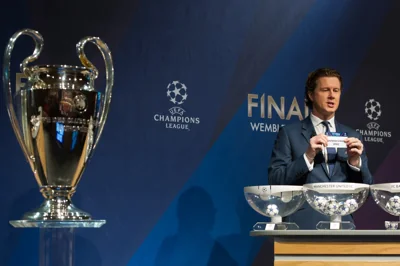
Teams Learn Fate for Upcoming Champions League Season Under New League Format
The UEFA Champions League, Europe’s most prestigious club football competition, is set to kick off a new era as teams across the continent learn their fate for the upcoming season under a revamped format. The 2024-2025 season marks a significant change in the tournament’s structure, designed to increase competitiveness and excitement for fans and participants alike.
New Format Explained
The Champions League has undergone a major overhaul, shifting away from the traditional group stage format. Previously, 32 teams were divided into eight groups of four, with the top two from each group advancing to the knockout stages. The new format, often referred to as the “Swiss system,” will see 36 teams compete in a single league table, playing a set number of matches against different opponents.
Each team will play 8 matches instead of 6, facing eight different opponents – four at home and four away. The teams will be ranked in a single table, and the top eight will automatically qualify for the Round of 16. Teams placed 9th to 24th will enter a two-legged playoff to secure the remaining eight spots in the knockout phase.
Teams to Watch
With the new format, the competition is set to be fiercer than ever. Defending champions Manchester City will be eager to prove their dominance once again, especially after their stellar performances in recent seasons. Meanwhile, traditional powerhouses like Real Madrid, Bayern Munich, and Barcelona will be looking to reclaim their place at the summit of European football.
The new system also offers a glimmer of hope for underdog teams. Clubs from smaller leagues will have more opportunities to progress through the tournament, with a larger number of matches potentially allowing for unexpected upsets and breakthroughs. Teams like RB Leipzig and Napoli have shown they can compete with the best, and this format may give them the platform to make a deep run.
Impact on Players and Clubs
The new format demands a higher level of consistency across a greater number of matches, which could strain squads with less depth. Clubs will need to manage their resources carefully, balancing their domestic league commitments with the increased demands of the Champions League. This change could also affect player fatigue, injuries, and overall team performance as the season progresses.
For the players, the new format presents both a challenge and an opportunity. Those capable of maintaining peak performance across a more extended period will have a chance to showcase their talent on a larger stage. The increased number of matches could also provide more opportunities for emerging stars to make a name for themselves.
Fan Reactions and Future Implications
The revamped Champions League format has sparked mixed reactions from fans. While some are excited about the increased number of high-stakes matches and the possibility of more diverse matchups, others are concerned that the new system may dilute the competition’s prestige by adding more games to an already congested calendar.
Despite these concerns, UEFA hopes that the changes will bring a fresh dynamic to the competition, attracting new audiences and increasing engagement across the globe. The success of this new format could potentially influence future decisions regarding other European competitions, such as the Europa League and the newly established Europa Conference League.
Conclusion
As teams prepare to embark on this new journey in the UEFA Champions League, anticipation is at an all-time high. The changes to the format promise to deliver more drama, excitement, and unpredictability, making this season one of the most eagerly awaited in recent history. Fans will be keen to see how their teams adapt to the new challenges, and whether this revamped competition will live up to its billing as the pinnacle of European club football.