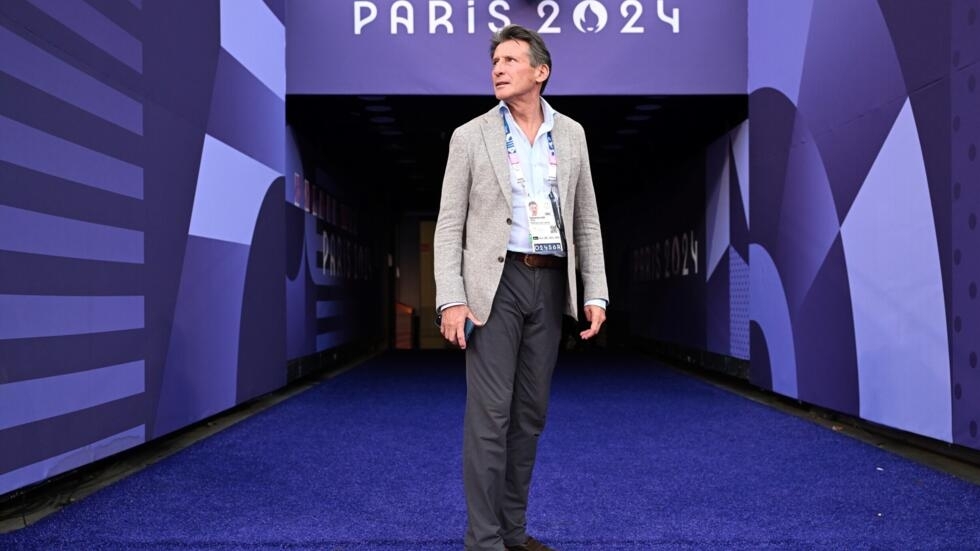
Sebastian Coe Considers Bid for IOC Presidency: A New Era in Global Sports Leadership?
Sebastian Coe, a name synonymous with excellence in athletics, is reportedly contemplating a run for the presidency of the International Olympic Committee (IOC). This potential move comes as the IOC prepares for a leadership transition, with current President Thomas Bach’s term ending in 2025. Coe’s consideration for the role has sparked discussions within the global sports community, as his leadership could mark a significant shift in the future direction of the Olympic movement.
Sebastian Coe’s Storied Career
Sebastian Coe, a British middle-distance running legend, is widely celebrated for his achievements on and off the track. As an athlete, Coe won four Olympic medals, including two golds in the 1500 meters at the 1980 Moscow and 1984 Los Angeles Games. His rivalry with fellow Britons Steve Ovett and Steve Cram is still remembered as one of the most thrilling in track and field history.
After retiring from competitive athletics, Coe transitioned into sports administration and politics. He played a pivotal role as the head of the successful bid to bring the 2012 Olympic Games to London and subsequently served as the chairman of the London Organising Committee of the Olympic and Paralympic Games (LOCOG). His leadership during the London 2012 Games was widely praised for its efficiency, inclusivity, and legacy planning.
In 2015, Coe was elected President of World Athletics (formerly known as the International Association of Athletics Federations, IAAF), where he has been instrumental in leading reforms to combat doping and restore credibility to the sport. His tenure has been marked by a strong focus on integrity and transparency, qualities that many believe would serve him well as IOC President.
Potential Impact on the IOC
Should Coe decide to run and ultimately be elected as IOC President, his leadership could usher in a new era for the Olympic movement. Coe is known for his commitment to clean sport, his ability to navigate complex political landscapes, and his vision for the future of global athletics. These attributes could help the IOC address several pressing challenges, including the ongoing fight against doping, the need for financial transparency, and the desire to make the Olympics more relevant to younger audiences.
Coe’s experience in organizing major sporting events also positions him as a strong candidate to oversee the execution of future Olympic Games, ensuring they are not only successful but also leave lasting legacies for host cities. His track record in London is a testament to his ability to deliver on ambitious projects while maintaining a focus on sustainability and inclusivity.
Challenges Ahead
However, Coe’s potential candidacy is not without challenges. The role of IOC President is one of the most demanding in global sports, requiring a delicate balance of diplomacy, vision, and administrative prowess. The IOC bonanza 333 faces numerous issues, including the ongoing debate over the cost and complexity of hosting the Games, geopolitical tensions, and the need to innovate in an increasingly digital world.
Moreover, Coe’s previous involvement in British politics and his leadership of World Athletics, while generally successful, have not been without controversy. He would likely face scrutiny from various stakeholders, including national Olympic committees, international federations, and athlete representatives, all of whom have differing visions for the future of the Olympics.
The Path Forward
As the IOC moves closer to the end of Thomas Bach’s presidency, the decision of whether Sebastian Coe will formally enter the race for the IOC leadership remains highly anticipated. If he chooses to run, Coe would bring a wealth of experience, a proven track record in sports administration, and a commitment to the Olympic values of excellence, respect, and friendship.
His potential presidency could be a defining moment for the IOC, as it seeks to navigate the challenges of the 21st century while staying true to its mission of promoting peace and unity through sport. Whether or not Coe ultimately decides to pursue this opportunity, his consideration alone highlights the importance of strong, visionary leadership in shaping the future of global sport.
Sebastian Coe’s contemplation of a bid for the IOC presidency has already stirred excitement and speculation within the sports world. Known for his dedication to integrity, inclusivity, and innovation, Coe could be the transformative leader the IOC needs as it faces a rapidly changing global landscape. The coming months will be crucial in determining whether this Olympic legend will take on one of the most influential roles in international sports.