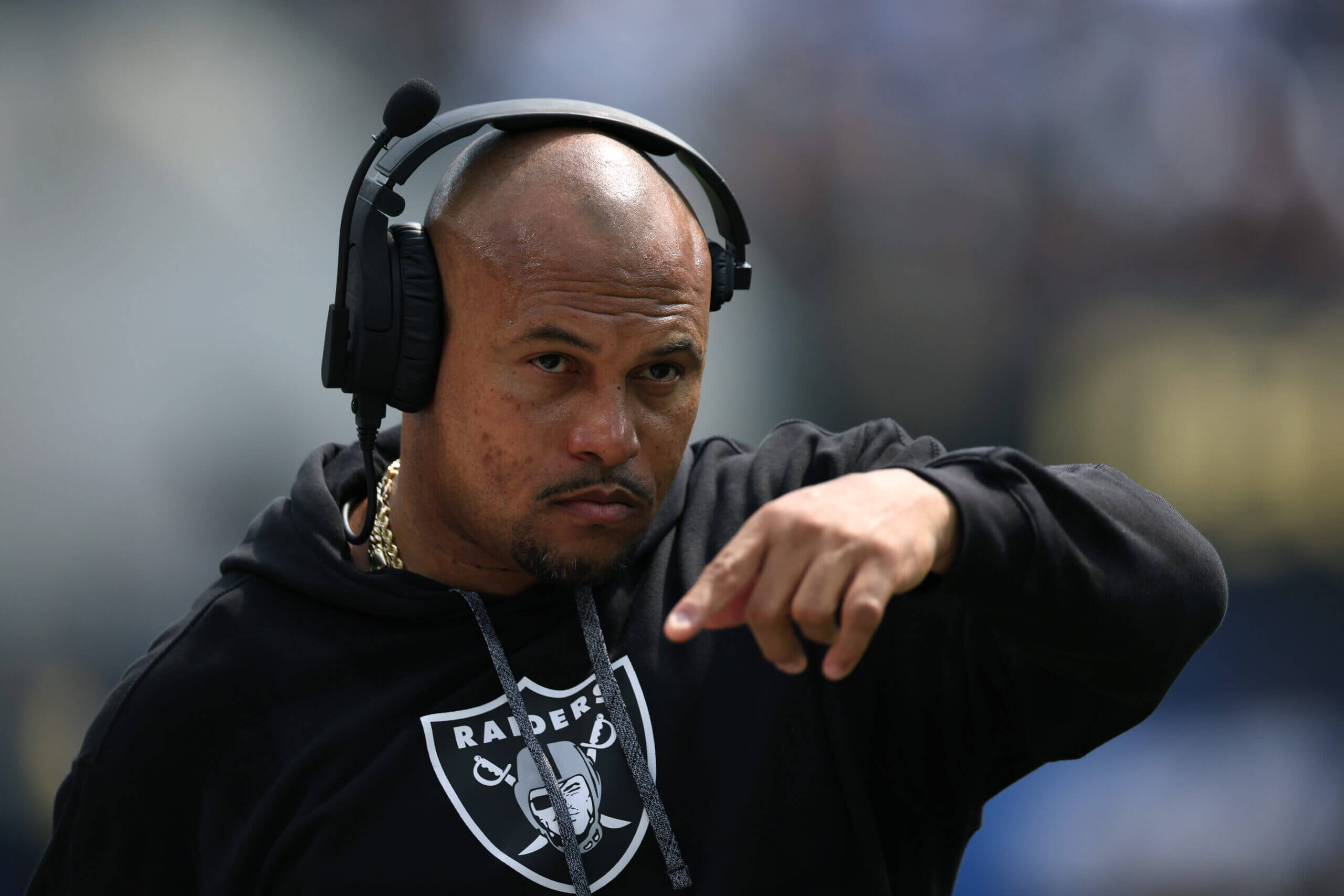
Las Vegas Raiders head coach, Josh McDaniels, recently made waves in the NFL world by stating that he would advise Miami Dolphins quarterback Tua Tagovailoa to consider retirement following his latest concussion scare. Tagovailoa, who has a history of concussions, suffered another head injury during the 2023 season, reigniting concerns about the long-term health risks for the young quarterback. McDaniels’ comments have sparked a broader conversation about the dangers of repeated head trauma in football and the responsibility coaches and teams have to prioritize player safety.
Tua’s Concussion History and Concerns
Tua Tagovailoa’s concussion history has been a source of growing concern since his college days at Alabama, where he endured multiple injuries. His time in the NFL, however, has been marred by more serious incidents. In 2022, during a game against the Cincinnati Bengals, Tagovailoa suffered a particularly terrifying concussion that left him briefly unconscious on the field, his hands seizing up in what was later described as a “fencing response,” a tell-tale sign of a traumatic brain injury.
That incident drew widespread criticism over the Dolphins’ handling of Tagovailoa’s health, as he had sustained another hard hit just days earlier in a game against the Buffalo Bills but had been cleared to return. The sight of Tagovailoa lying motionless on the field during the Bengals game sent shockwaves through the NFL and prompted discussions about the league’s concussion protocols.
Fast forward to 2023, and another concussion has once again put Tagovailoa’s career and health in the spotlight. Many fans and analysts have expressed concern about the cumulative effect of these head injuries on his future, both in football and in life. Head coach Mike McDaniel and the Miami Dolphins have defended their medical handling of Tua, but the continued concussions have left some questioning whether his playing career is worth the risks.
McDaniels’ Bold Statement
When asked during a recent press conference about what advice he would give to Tagovailoa, Las Vegas Raiders head coach Josh McDaniels did not mince words. McDaniels, a respected coach with years of experience in the league, stated that if he were in Tua’s shoes, or even if he were Tua’s coach, he would advise him to consider stepping away from football for good.
“I think, ultimately, you’ve got to think about your life after football,” McDaniels said. “If I were in Tua’s position, or coaching him, I’d tell him to seriously think about retiring. Health is the most important thing, and when you’re talking about multiple concussions like this, it’s no longer just about the game. It’s about quality of life.”
McDaniels’ comments have resonated with many in the football community, especially given the increasing awareness of the dangers of chronic traumatic encephalopathy (CTE), a degenerative brain disease found in athletes with a history of repeated head trauma. CTE has been linked to mood disorders, cognitive decline, and early-onset dementia, with many former NFL players having been diagnosed posthumously with the condition.
The Impact of Concussions on the NFL
Concussions have been a longstanding issue in the NFL, with the league facing lawsuits from former players over inadequate protection and treatment of head injuries. In recent years, the NFL has revamped its concussion protocols, aiming to improve player safety by implementing stricter guidelines for diagnosing and managing concussions.
Despite these efforts, incidents like Tagovailoa’s continue to highlight the inherent risks of the sport. Football is a high-impact game where concussions are virtually unavoidable, and for players like Tua, the risks can escalate with every hit to the head. While the NFL has tried to reduce the number of concussions through rule changes, improved helmet technology, and better medical care, the nature of the game makes it difficult to completely eliminate the risk.
Tagovailoa’s concussions have reignited debates over the NFL’s responsibility to protect players, especially those who have a history of head trauma. Many argue that more stringent protocols should be in place for players with multiple concussions, including mandatory extended recovery periods or even recommendations for early retirement if the player’s health is at serious risk.
The Pressure to Play and the Culture of Toughness
One of the major challenges in addressing concussions in the NFL is the culture of toughness that permeates the sport. Players are often praised for their resilience and willingness to play through injuries, and many are reluctant to sit out games due to the fear of losing their starting spot or being labeled as “soft.” This mentality can be particularly dangerous when it comes to head injuries, as the symptoms of concussions can be difficult to immediately diagnose, and players may downplay their severity to stay on the field.
In Tagovailoa’s case, the pressure to succeed has been immense since he entered the league as the 5th overall pick in the 2020 NFL Draft. He came in with high expectations, and after a rocky start to his career, he has shown flashes of brilliance. However, his concussions have been a major setback, raising questions about his long-term future in the NFL.
The pressure to return quickly from concussions can also come from the teams and fans, who want to see their star players on the field. However, with increased scrutiny on player safety, more coaches and medical staff are taking a cautious approach. McDaniels’ comments reflect this shift in perspective, as he places the player’s health above the game, emphasizing the importance of life beyond football.
The Future of Tua Tagovailoa’s Career
As of now, Tua Tagovailoa has not indicated any intention to retire, but his situation highlights the difficult choices athletes face when dealing with repeated concussions. Retirement discussions in football often center around long-term health, and many former players, including stars like Andrew Luck and Luke Kuechly, have retired early due to injury concerns.
For Tagovailoa, the decision will be a deeply personal one. His talent and potential as a quarterback are undeniable, but the long-term risks of continuing to play football with a history of concussions are significant. While coaches like McDaniels may advise caution, the decision ultimately rests with Tua, his family, and the medical professionals guiding his recovery.
Raising Awareness for Player Safety
Josh McDaniels’ willingness to speak openly about the risks of concussions is a positive step toward raising awareness about player safety in the NFL. His comments serve as a reminder that football is more than just a game — it’s a sport where athletes put their bodies and lives on the line every time they step onto the field.
The growing awareness of the dangers of concussions has already led to changes in how the NFL handles head injuries, but there is still much work to be done. McDaniels’ statement underscores the importance of making player health the top priority, even if it means difficult conversations about retirement for young stars like Tagovailoa.
As the NFL continues to navigate the balance between the excitement of the game and the health of its players, one thing is clear: the conversation around concussions and their long-term impact isn’t going away anytime soon. Coaches like McDaniels, who are willing to advocate for their players’ well-being, are crucial in shaping a safer future for football.
Conclusion
The comments from Las Vegas Raiders head coach Josh McDaniels, urging Tua Tagovailoa to consider retirement following his latest concussion, reflect the growing concern in the NFL about the dangers of repeated head injuries. While Tagovailoa’s future in football remains uncertain, the discussion surrounding his health highlights the need for ongoing efforts to protect players and prioritize long-term well-being over short-term success. The NFL must continue to evolve its approach to concussion management and player safety, ensuring that athletes like Tagovailoa can make informed decisions about their careers and health.