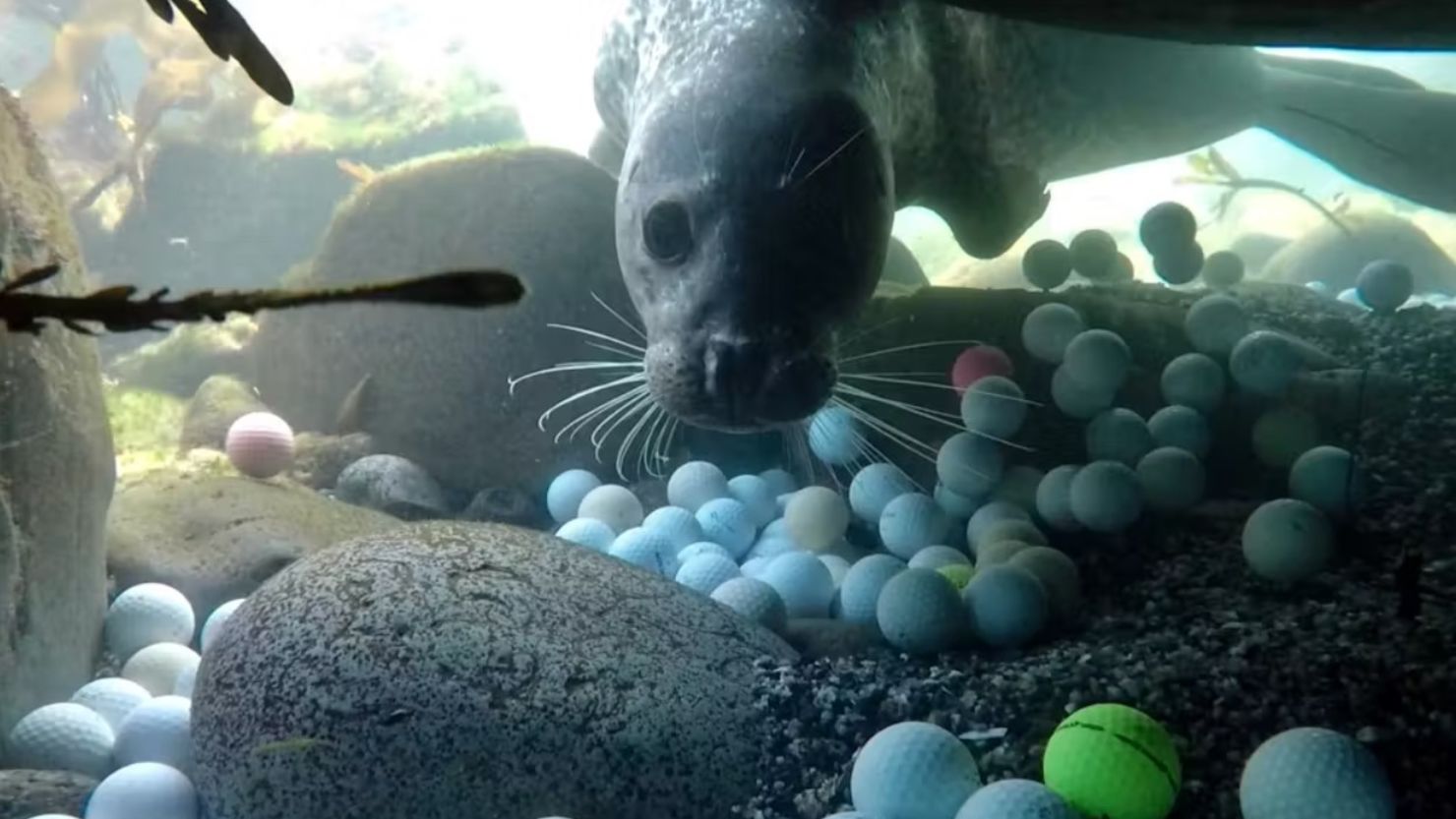
Golf is a beloved sport enjoyed by millions worldwide, but behind its charm lies an often-overlooked environmental issue: the staggering number of golf balls that are lost each year. Estimates suggest that upwards of three billion golf balls may end up lost annually, raising important questions about their fate and the environmental impact of these small yet significant objects.
The Scale of the Problem
Golf balls are designed to withstand the rigors of the game, featuring durable materials that can endure multiple impacts. However, this durability comes with a downside—when lost, these balls can take a considerable amount of time to decompose. Environmental experts estimate that a single golf ball can take anywhere from 100 to 1,000 years to break down, depending on the materials used and the conditions they are exposed to.
With millions of golfers hitting the greens each year, the accumulation of lost balls poses a significant environmental challenge. Golf courses, lakes, rivers, and coastal areas often become inadvertent graveyards for these lost items, contributing to pollution and disrupting local ecosystems.
Where Do Lost Golf Balls End Up?
- Water Bodies: One of the most common places for lost golf balls to end up is in bodies of water. Golf courses often feature ponds, streams, and lakes, making it easy for errant shots to land in the water. Once submerged, golf balls can remain there for decades, potentially leaching harmful chemicals like zinc and other metals into the surrounding water.
- Landfills: Many lost golf balls eventually make their way to landfills, where they contribute to the growing waste problem. As more golf balls accumulate in these sites, they further complicate waste management efforts and exacerbate environmental issues related to landfill overflow and pollution.
- Coastal Areas: In coastal regions, golf balls can wash up on beaches, contributing to marine debris. The presence of plastic and rubber materials in golf balls can pose threats to marine life, as animals may ingest them or become entangled.
- Golf Course Ecosystems: Surprisingly, many lost golf balls remain on the golf course itself, nestled in roughs, bushes, or wooded areas. While these balls do not pose immediate threats to the course’s ecosystem, their accumulation can disrupt the natural environment and become an eyesore for both golfers and wildlife.
Environmental Impact and Solutions
The environmental ramifications of lost golf balls are becoming increasingly recognized. To address this issue, several strategies can be implemented:
- Recycling Programs: Some companies and organizations specialize in retrieving lost golf balls from water bodies and landfills. These balls are cleaned, refurbished, and resold, reducing the number that end up as waste. Golfers can also participate in local clean-up efforts, collecting lost balls and contributing to recycling initiatives.
- Awareness Campaigns: Educating golfers about the environmental impact of lost balls can encourage responsible behavior on the course. By promoting techniques to minimize losses, such as improved targeting and aiming practices, the number of lost balls can potentially be reduced.
- Sustainable Alternatives: The golf industry is increasingly exploring more sustainable materials for golf ball production. Innovations in biodegradable materials and eco-friendly designs can help mitigate the long-term impact of lost golf balls on the environment.
Conclusion
The staggering number of golf balls lost each year raises critical environmental concerns that warrant attention from golfers, course operators, and environmental advocates alike. Understanding where these balls end up and their potential impact on ecosystems is essential in driving change within the sport. By implementing sustainable practices, increasing awareness, and supporting recycling initiatives, the golf community can help mitigate the ecological footprint of this beloved pastime and contribute to a healthier planet for future generations.