Belgium Withdraws from Mixed Triathlon at the Olympics
In a surprising turn of events, Belgium has withdrawn from the mixed triathlon event at the Olympics. This decision, driven by a combination of factors, marks a significant moment in the competition and raises important questions about team dynamics and the challenges of the sport.
Understanding the Mixed Triathlon
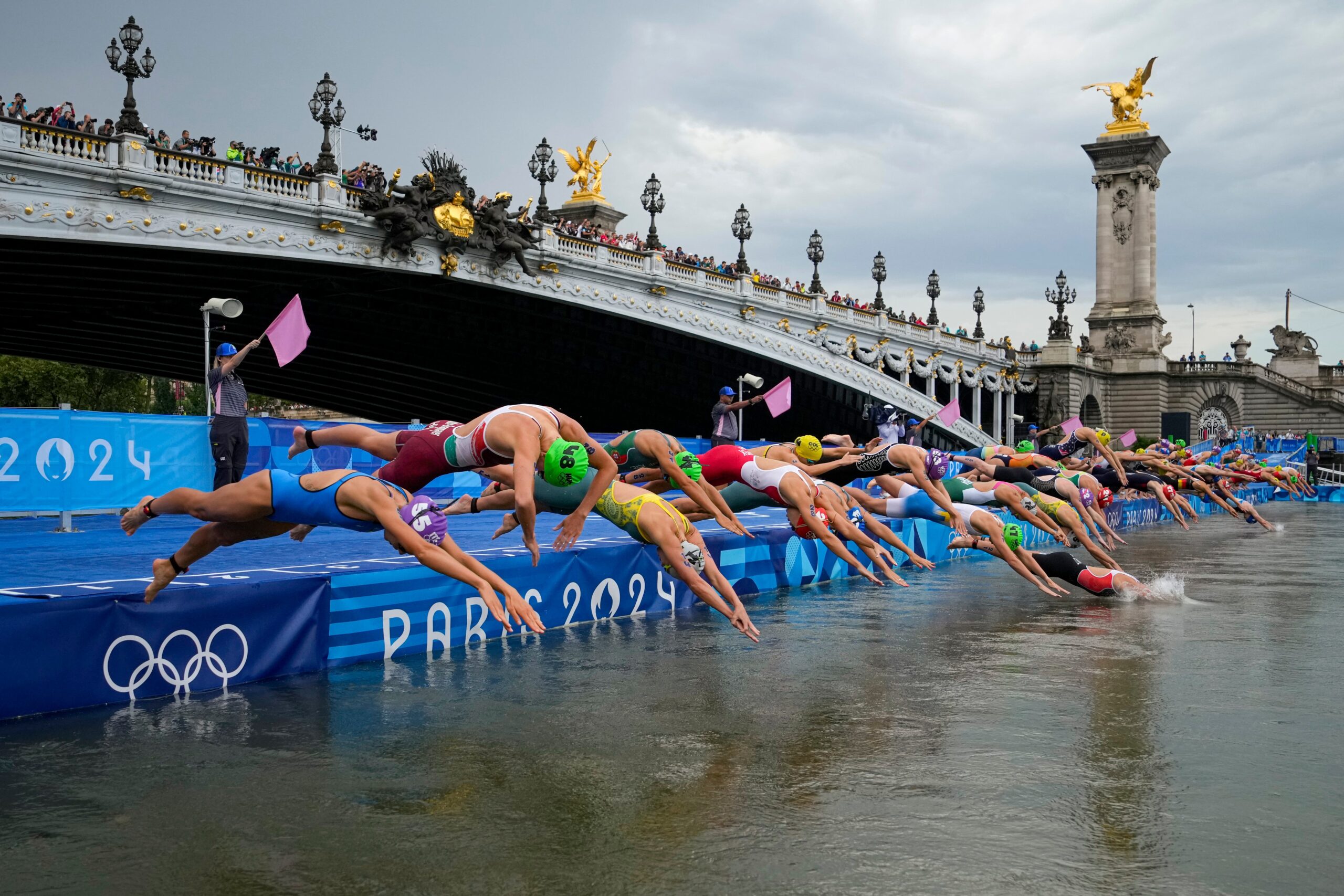
The mixed triathlon is a relatively new addition to the Olympic program, designed to bring excitement and showcase the versatility of athletes. The event consists of teams made up of two men and two women, each completing a short triathlon—swimming, cycling, and running—before tagging the next teammate. This format not only tests individual endurance and skill but also the strategic coordination among team members.
Reasons Behind the Withdrawal
Belgium’s decision to withdraw was influenced by several factors:
- Athlete Injuries: One of the primary reasons for the withdrawal was injuries to key athletes. Triathlon is a physically demanding sport, and injuries can significantly impact performance. The Belgian team faced unforeseen injuries that made it impossible for them to compete at the expected level.
- Team Strategy and Dynamics: The mixed triathlon requires seamless coordination and teamwork. Any disruption, whether due to injury or other factors, can hinder the team’s performance. Belgium’s team dynamics were affected, making it challenging to compete effectively.
- Health and Safety Concerns: In light of the ongoing health concerns worldwide, ensuring the safety and well-being of athletes is paramount. The decision to withdraw may have been influenced by a cautious approach to avoid further injury or health issues.
Impact on the Competition
Belgium’s withdrawal from the mixed triathlon has several implications for the event:
- Opportunity for Other Teams: Belgium’s absence opens up opportunities for other teams to advance. This could lead to unexpected outcomes and increased competition among the remaining teams.
- Shift in Predictions: Belgium was considered a strong contender in the mixed triathlon. Their withdrawal shifts the predictions and strategies of other teams, potentially altering the dynamics of the race.
- Athlete Focus: The athletes from Belgium can now focus on their recovery and preparation for future events. This decision underscores the importance of prioritizing long-term health over immediate competition.
Reactions from the Triathlon Community
The triathlon community has shown mixed reactions to Belgium’s withdrawal. Many empathize with the athletes, understanding the difficult decision they had to make. Others express disappointment, as the competition will miss the presence of a strong team. Overall, there is a sense of solidarity and support for the Belgian athletes.
Looking Ahead
As the Olympics continue, the focus remains on the spirit of competition and the resilience of athletes. Belgium’s decision to withdraw highlights the unpredictable nature of sports and the importance of adaptability. The mixed triathlon will proceed with the remaining teams, showcasing the incredible skill and determination of the athletes involved.
Belgium’s withdrawal from the mixed triathlon at the Olympics is a significant moment that underscores the challenges and unpredictability of the sport. While disappointing for fans and the team, the decision reflects a commitment to athlete health and strategic considerations. As the competition progresses, the spirit of the Olympics continues to shine, with athletes from around the world demonstrating resilience, teamwork, and the pursuit of excellence.