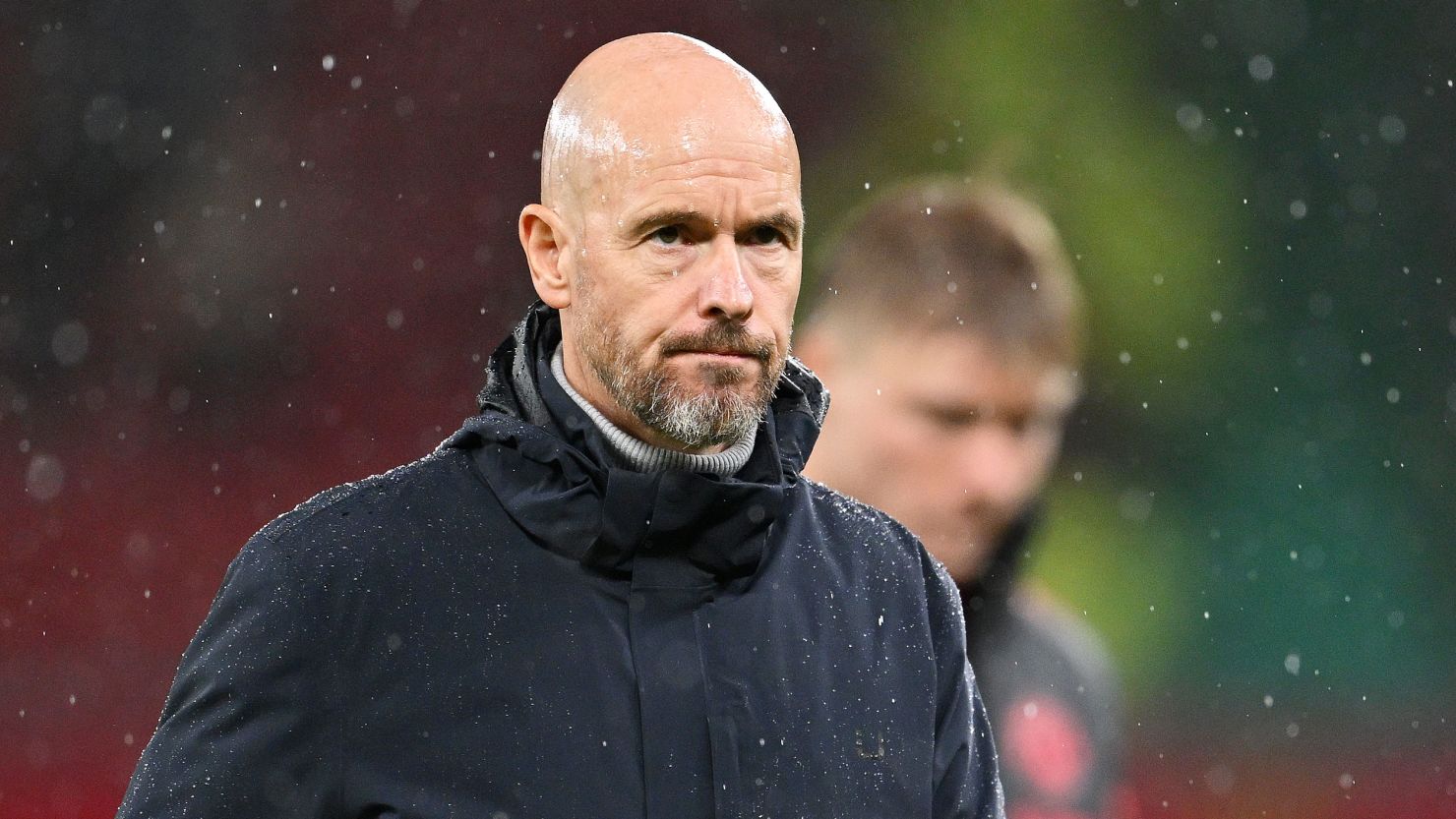
In a surprising yet perhaps inevitable move, Manchester United has announced the sacking of manager Erik ten Hag. After a turbulent tenure that saw moments of hope interspersed with persistent underperformance, the club decided to part ways with the Dutch tactician. The decision comes amid mounting pressure from fans and the board, who had grown increasingly frustrated with the team’s lack of progress despite significant investments in both players and infrastructure. Let’s delve into the reasons behind Ten Hag’s departure and what this means for Manchester United’s future.
The Promise of Ten Hag
When Erik ten Hag was appointed as United’s manager in the summer of 2022, fans and pundits saw his arrival as a bold new chapter for the club. Fresh off his successful stint with Ajax, where he developed a reputation for nurturing young talent and playing an attractive, high-pressing style of football, Ten Hag seemed to embody the tactical acumen United had been missing since Sir Alex Ferguson’s departure.
Initially, Ten Hag brought optimism to Old Trafford. His tactical approach, focusing on ball control and aggressive pressing, promised a departure from the inconsistency that had plagued United in recent years. A string of strong performances, including a resurgence in the Premier League and solid displays in European competitions, hinted that United had finally found the right man to guide them back to glory. But that initial spark would ultimately prove unsustainable.
What Went Wrong?
Despite early promise, Ten Hag’s United struggled to maintain consistency, facing criticism on multiple fronts:
- Poor League Form: United’s domestic performances were inconsistent, with the club frequently losing points to mid-table teams. The lack of cohesion in defense and midfield often left them vulnerable to counter-attacks, and despite Ten Hag’s tactical expertise, United struggled to impose themselves consistently on the Premier League’s top clubs.
- Failure in European Competitions: European success has eluded Manchester United for several years, and Ten Hag’s tenure was no exception. The club’s performances in the Champions League and Europa League were disappointing, with United often failing to progress beyond the knockout stages. This lack of progress in Europe, especially given the financial investments, further intensified pressure on Ten Hag.
- Player Struggles and Injuries: United’s roster was plagued with injuries, especially in crucial areas like defense and midfield. While Ten Hag inherited a squad with big names, integrating marquee signings like Antony, Casemiro, and others proved challenging, with many failing to adapt to his system. Player unrest and inconsistency further complicated the team’s dynamic, leading to on-field struggles.
- Unclear Transfer Strategy: Despite significant spending, United’s transfer policy seemed erratic, with some acquisitions failing to address the team’s weaknesses. High-profile signings often underperformed or struggled to fit into Ten Hag’s system, leading many to question the club’s overall transfer strategy.
- Board and Fan Pressure: A club of Manchester United’s stature comes with intense scrutiny from both fans and the board. As results continued to falter, pressure from fans mounted, with calls for change becoming increasingly vocal. The board’s patience wore thin as United’s on-pitch performance continued to fall short of expectations.
What’s Next for Manchester United?
With Ten Hag’s departure, the focus now shifts to finding a new manager who can bring stability and success to Old Trafford. Names like former Bayern Munich manager Julian Nagelsmann, former Chelsea boss Thomas Tuchel, and even United legend Ole Gunnar Solskjær have already started to circulate as potential candidates. Whoever takes over will inherit a club at a critical juncture, with high expectations and a fanbase eager for success.
The new manager will need to address several pressing issues, including revamping the squad, establishing a consistent playing style, and fostering a winning mentality. United’s future remains uncertain, but with the right leadership, the club still has the resources and talent to reclaim its position among football’s elite.
Conclusion
Erik ten Hag’s tenure at Manchester United will be remembered as a period of unfulfilled potential. While he brought tactical innovation and an initial surge of optimism, the relentless pressures of Premier League management ultimately proved too great. As the club searches for its next leader, fans will be hoping for stability and success, as Manchester United aims to finally return to the heights they once dominated.