
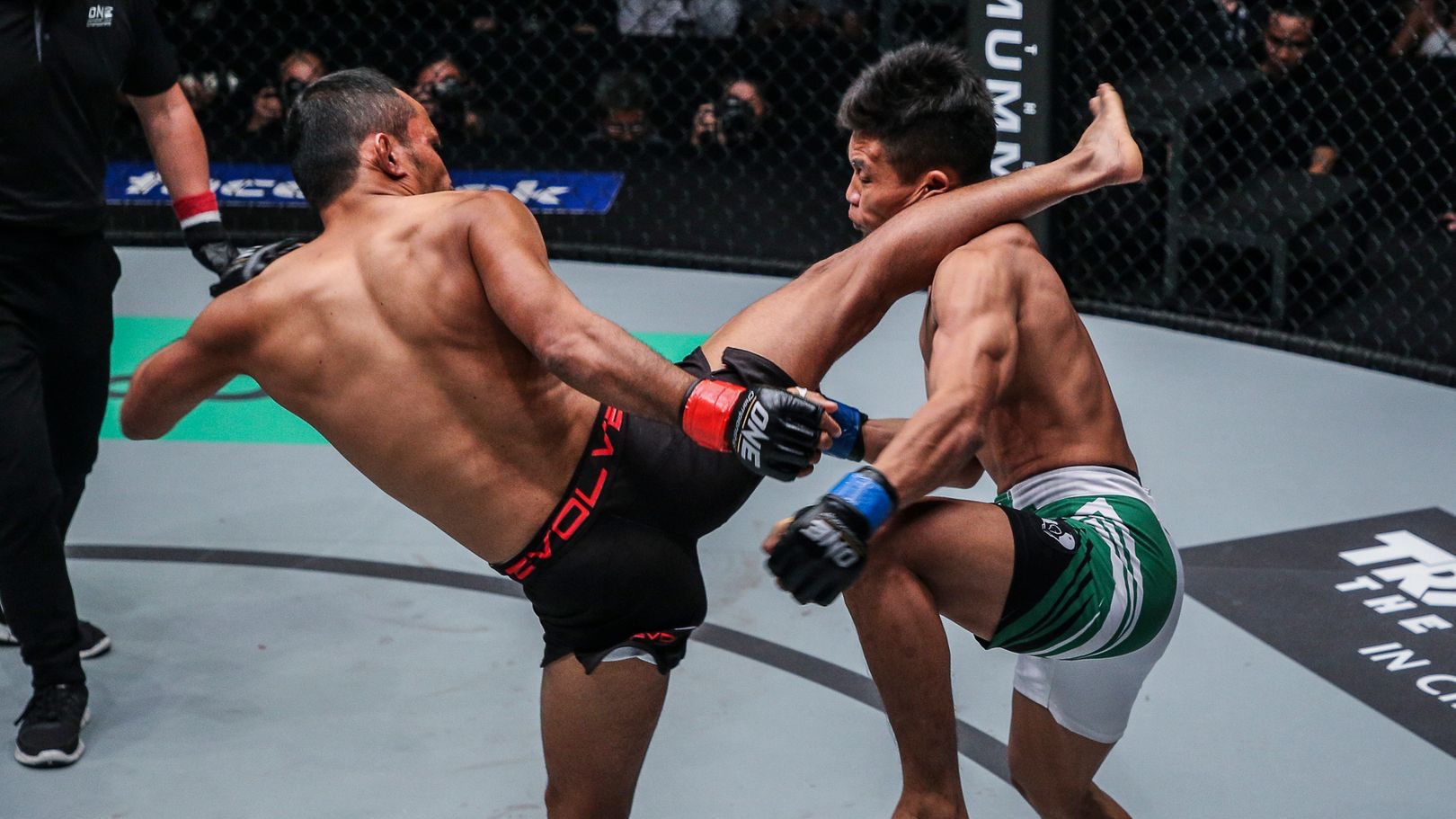
Mixed Martial Arts (MMA) has emerged as a dynamic and rapidly growing sport, captivating audiences worldwide with its unique blend of athleticism, strategy, and diverse martial arts disciplines. From its humble beginnings to its current global prominence, MMA has evolved into a multifaceted spectacle that continues to push boundaries and attract a diverse fan base.
Historical Roots and Development
While MMA’s origins can be traced back to ancient combat sports practiced in various cultures, modern MMA began to take shape in the 20th century. The sport gained momentum with the rise of Brazilian Jiu-Jitsu (BJJ), particularly through the efforts of the Gracie family in showcasing its effectiveness in competitive settings.
The Rise of UFC and Mainstream Popularity
The Ultimate Fighting Championship (UFC), founded in 1993, played a pivotal role in popularizing MMA as a mainstream sport. Initially conceived as a platform to determine the most effective martial art, early UFC events featured fighters from diverse backgrounds competing in a no-holds-barred format, captivating audiences with its raw intensity and unpredictability.
Evolution of Rules and Safety Standards
As MMA gained popularity, concerns over fighter safety and sportsmanship led to the establishment of unified rules and regulations. The introduction of weight classes, rounds, time limits, and prohibitions on certain techniques helped shape MMA into a regulated sport while preserving its essence as a comprehensive test of combat skills.
Diverse Martial Arts Disciplines
MMA encompasses a wide range of martial arts disciplines, each contributing unique techniques and strategies to fighters’ repertoires. Striking arts such as Muay Thai, boxing, and kickboxing complement grappling arts like Brazilian Jiu-Jitsu, wrestling, and judo. The ability to seamlessly transition between striking and grappling is essential for success in the cage.
Global Growth and Cultural Impact
From its North American origins, MMA has expanded globally, gaining popularity across Europe, Asia, South America, and beyond. Regional promotions like Bellator MMA, ONE Championship, and Cage Warriors have emerged alongside the UFC, fostering local talent and showcasing diverse martial arts styles on an international stage.
Athlete Development and Training
The evolution of MMA has spurred advancements in athlete training and preparation. Modern MMA fighters undergo rigorous training in striking, grappling, conditioning, and mental preparation under the guidance of specialized coaches and training camps. This holistic approach prepares fighters to excel in the demanding and multifaceted environment of the octagon.
Popularity and Influence in Popular Culture
MMA’s rise has transcended sports to influence popular culture, with fighters achieving celebrity status and events drawing millions of viewers worldwide. The sport’s appeal lies in its blend of skill, athleticism, and dramatic moments, captivating audiences and drawing new fans into the world of combat sports.
Challenges and Future Prospects
Despite its growth, MMA faces challenges such as regulatory issues, athlete safety concerns, and the balance between entertainment and sportsmanship. Looking ahead, advancements in sports science, technology, and global expansion present opportunities for MMA to continue evolving while maintaining its core values of respect, discipline, and competitive spirit.