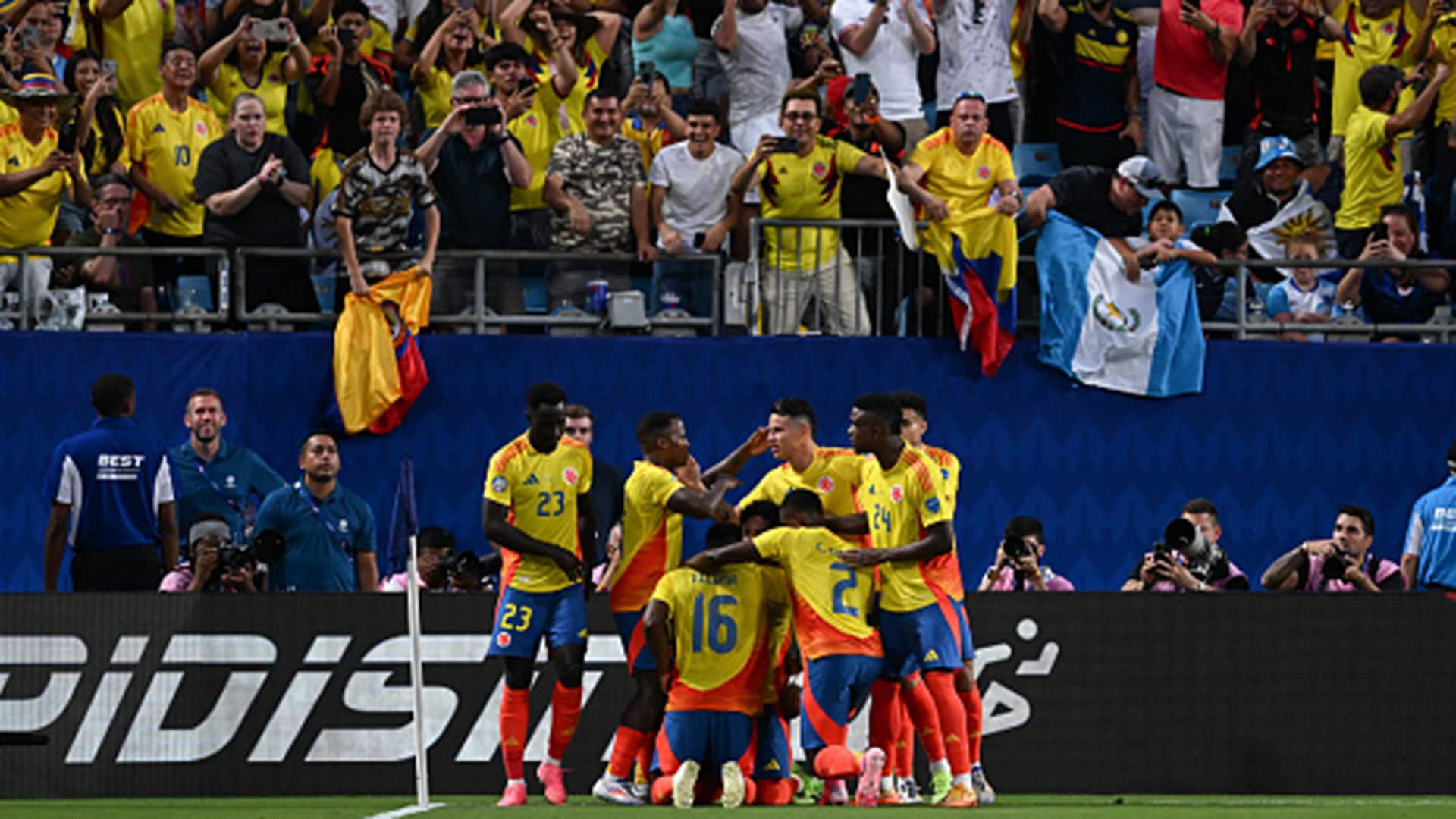
SOCCER APOCALYPSE: The Beautiful Game Is Burning
Introduction
Remember that feeling? The roar of the crowd, the perfectly weighted pass, the net rippling as the ball explodes in? That unadulterated joy, that shared passion… is it fading? Are we witnessing a slow-motion soccer apocalypse? Before you dismiss this as hyperbole, take a long, hard look at the current landscape. Cracks are widening, fractures deepening, and the very foundations of the beautiful game seem to be trembling.
It’s not just about a few bad calls or a controversial transfer. This is deeper. This is about the soul of soccer, its integrity, its accessibility, and its long-term survival in a rapidly changing world. So, what’s actually going wrong, and more importantly, what can we do to extinguish these flames before they consume the entire field?
The Short-Term Pain: Instant Gratification vs. Grassroots Growth
In the short term, the biggest threat comes from the relentless pursuit of instant gratification. The rise of super leagues, driven by insatiable corporate greed, threatened to shatter the pyramid structure that has sustained the sport for generations. While the initial super league attempt crumbled under immense pressure, the underlying desire for closed shops and guaranteed revenue streams remains. This push for exclusivity risks alienating fans, particularly those at the grassroots level who are the lifeblood of the game.
Think about it: a young kid in a small town, dreaming of playing for their local club, knowing that one day, they could make it to the top. Super leagues and closed systems choke off those dreams, turning soccer into a spectacle for the elite, rather than a sport for everyone. This directly impacts fan engagement. Why invest your time, energy, and money into a system that feels rigged, where the same few teams always win?
Furthermore, the pressure to perform in the modern game is immense. Managers are sacked after a few bad results, leading to short-term, often unsustainable, strategies. Youth development programs are often neglected in favor of buying ready-made stars, further hindering the growth of homegrown talent.
The Long-Term Shadow: Fading Passion and Global Domination
The long-term impacts are even more concerning. As the focus shifts to maximizing profits and appeasing corporate sponsors, the authenticity and spirit of the game erode. We see it in the over-commercialization of kits, the endless stream of advertisements, and the increasing disconnect between players and fans. This can lead to a decline in passion, especially among younger generations who are constantly bombarded with alternative forms of entertainment. Why dedicate your life to a sport that feels more like a business than a game?
Another looming threat is the potential for global domination by a few mega-clubs. With their vast resources, these clubs can cherry-pick the best talent from around the world, creating an uneven playing field and stifling the growth of smaller leagues and nations. This can lead to a homogenization of playing styles and a loss of the unique cultural identities that make soccer so captivating. Imagine a world where every team plays the same brand of possession-based football, coached by the same handful of managers. The beautiful game risks becoming bland and predictable.
Fighting Fire with… Football: Practical Solutions for a Brighter Future
The good news is, it’s not too late to turn the tide. We can still reclaim the soul of soccer, but it requires a collective effort from fans, players, clubs, and governing bodies. Here are some practical solutions:
- Empower the Grassroots: Invest heavily in youth development programs at all levels. Create more opportunities for young players to train, compete, and learn from experienced coaches. This isn’t just about finding the next Messi; it’s about fostering a love of the game and building stronger communities.
- Example: The Ajax Amsterdam academy is renowned for producing world-class talent. Their success is built on a philosophy of holistic development, focusing on technical skills, tactical awareness, and character building.
- Fair Play, Financial Fair Play: Enforce strict financial regulations to prevent clubs from spending beyond their means and creating an uneven playing field. Implement salary caps and luxury taxes to promote greater financial sustainability.
- Example: UEFA’s Financial Fair Play regulations, while not perfect, have helped to curb excessive spending and prevent some clubs from spiraling into debt. Strengthening these regulations and ensuring their consistent enforcement is crucial.
- Fan Power: Give fans a greater voice in the running of their clubs. Promote supporter ownership models, where fans have a real say in the direction of the team. Encourage clubs to engage with their supporters and listen to their concerns.
- Example: Several clubs in Germany, such as Bayern Munich, have a “50+1” rule, which requires that club members hold a majority of voting rights. This ensures that the club remains accountable to its supporters and prevents it from being taken over by wealthy individuals or corporations.
- Revitalize Local Leagues: Invest in the promotion and development of local leagues. Encourage clubs to focus on nurturing local talent and building strong connections with their communities. Celebrate the unique cultures and traditions of each league.
- Example: Consider the growth of Major League Soccer (MLS) in the United States. While still developing, MLS is focusing on attracting a diverse fanbase, investing in youth academies, and promoting local rivalries, fostering a unique American soccer culture.
- Embrace Innovation, Respect Tradition: The game needs to evolve, but not at the expense of its core values. Consider implementing new technologies, such as VAR, to improve officiating, but be mindful of the impact on the flow of the game. Preserve the traditions and rituals that make soccer so special.
- Example: VAR has undeniably improved the accuracy of officiating in many instances, but its implementation has been controversial. Finding the right balance between technological advancement and preserving the natural flow of the game is crucial.
- Promote Ethical Leadership: Demand greater transparency and accountability from governing bodies. Hold officials accountable for corruption and mismanagement. Promote ethical leadership that prioritizes the long-term health of the game over short-term profits.
- Example: The FIFA reforms of 2016 were a step in the right direction, but more needs to be done to ensure transparency and accountability at all levels of the organization.
The Final Whistle: A Call to Action
The soccer apocalypse isn’t inevitable. The beautiful game is resilient, capable of adapting and evolving. But it requires action, and it requires it now. Each of us has a role to play, whether it’s supporting our local club, demanding greater accountability from governing bodies, or simply speaking out against injustice.
Don’t let the flames consume the passion. Let’s work together to build a brighter future for the beautiful game, a future where soccer is truly for everyone, where dreams are nurtured, and where the spirit of the game burns brighter than ever before. The fate of soccer is in our hands. Let’s make sure we handle it with care.