Champions League: Where Legends Are Forged
Introduction
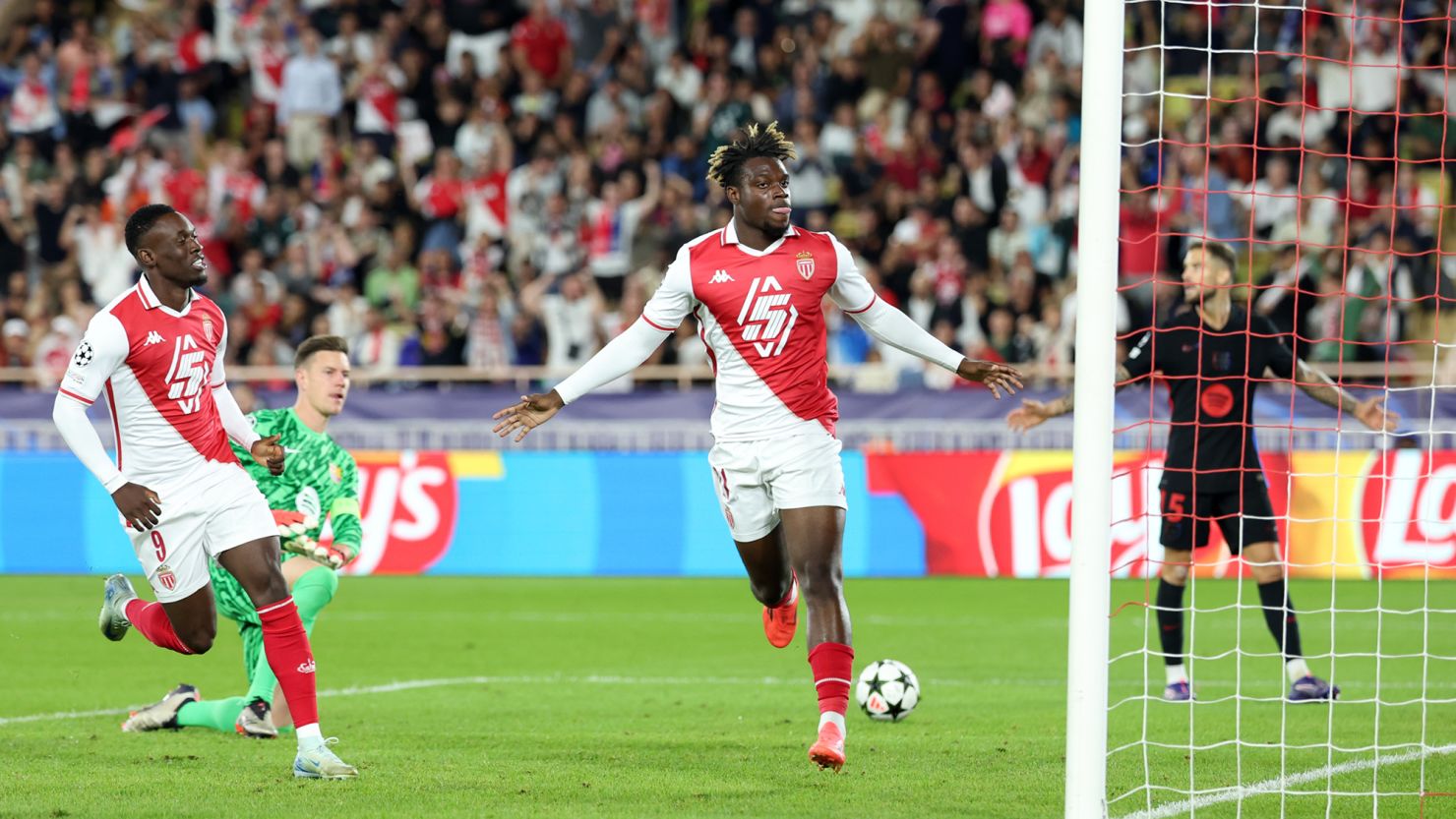
The roar of the crowd, the glint of the trophy under stadium lights, the tension hanging thick in the air – it’s all unmistakable. It’s the Champions League, football’s ultimate stage, where careers are defined and legends are forged. More than just a tournament, it’s a crucible where dreams are tested, skills are honed, and history is written. But what is it that makes this competition so captivating, so impactful, and so vital to the world of football? Let’s dive in.
More Than Just a Game: The Short-Term Thrill
In the immediate aftermath of a Champions League match, the emotions are raw and palpable. For fans, it’s a rollercoaster – the elation of a last-minute winner, the crushing disappointment of a heartbreaking defeat. These moments become etched in memory, debated endlessly in pubs and online forums. Think of Sergio Ramos’s late equalizer in the 2014 final against Atletico Madrid – a single header that not only salvaged the game for Real Madrid but also launched them on the path to “La Decima,” their coveted tenth Champions League title. That one moment changed everything.
For the players and clubs involved, the short-term impact is equally significant. Victory brings prestige, financial rewards, and a boost in morale that can propel them forward in domestic competitions. A successful Champions League campaign can attract lucrative sponsorship deals, enhance player reputations, and ultimately, shape the club’s trajectory for the season. Conversely, a disastrous early exit can have devastating consequences, impacting team confidence, leading to managerial changes, and potentially jeopardizing the entire season. Just ask Barcelona fans about their consecutive group stage exits in recent years; the immediate impact on morale and club finances was undeniably significant.
The Long Game: Legacy and Enduring Impact
However, the true weight of the Champions League lies in its long-term consequences. This is where legends are truly made. Performances on this stage resonate through the annals of football history, solidifying reputations and influencing future generations.
Consider the legacy of players like Cristiano Ronaldo, Lionel Messi, and Paolo Maldini. Their consistent excellence in the Champions League has played a pivotal role in shaping their iconic status. Ronaldo’s record-breaking goalscoring feats and his multiple titles with Manchester United and Real Madrid have cemented his place as one of the greatest of all time. Messi’s mesmerizing dribbling and clutch performances for Barcelona have created moments of pure magic that fans will recount for decades to come. Maldini’s legendary defending and unwavering leadership guided AC Milan to five Champions League titles, establishing him as a symbol of defensive prowess and longevity.
The long-term impact also extends to the clubs themselves. Winning the Champions League transforms a club’s identity, elevating its status on the global stage and attracting talent from around the world. Liverpool’s triumph in 2005, against all odds, not only brought them their fifth European Cup but also rekindled their connection with their glorious past, attracting a new generation of fans and reaffirming their position as a European powerhouse. Bayern Munich’s dominant performance in the 2013 season, culminating in a Champions League victory, solidified their position as one of the most respected and feared clubs in the world.
Challenges and Opportunities: Navigating the Champions League Landscape
The Champions League, however, is not without its challenges. The increasing financial disparity between clubs, the demanding schedule, and the ever-growing pressure to perform create a complex and often unforgiving environment. So, how can clubs navigate this landscape and maximize their chances of success?
Here are some practical solutions:
- Smart Investment and Squad Building: It’s not just about spending big; it’s about spending smart. Identifying and developing young talent, combined with strategic acquisitions of experienced players, is crucial. Look at how Borussia Dortmund consistently identifies and nurtures young talent like Jude Bellingham, who then commanded significant transfer fees, allowing the club to reinvest and continue its cycle of development.
- Tactical Flexibility and Adaptability: Rigid tactical approaches are easily exploited. Teams need to be able to adapt their game plan based on the opponent and the situation. Chelsea’s triumph under Thomas Tuchel in 2021 demonstrated the importance of tactical flexibility, as he consistently adjusted his formation and strategy to neutralize opposing threats.
- Focus on Team Chemistry and Leadership: A team is more than the sum of its parts. Building a strong team spirit, fostering a culture of hard work and dedication, and nurturing leadership within the squad are essential. Atletico Madrid, under Diego Simeone, embodies this approach, with their relentless work ethic and unwavering team spirit often overcoming teams with more individually gifted players.
- Utilize Data Analytics: In the modern game, data analytics can provide invaluable insights into player performance, opponent weaknesses, and potential tactical advantages. Liverpool’s use of data analytics under Jurgen Klopp has been instrumental in identifying key signings and optimizing their tactical approach.
- Mental Resilience and Composure: The pressure of the Champions League can be overwhelming. Players need to be mentally strong and able to perform under pressure. Manchester City’s recent success in the competition can be attributed to their increased mental fortitude and ability to maintain composure in high-stakes situations.
Alternative Approaches: Tailoring Solutions to Your Situation
While these solutions provide a general framework, each club must tailor its approach to its specific circumstances.
- Underdog Strategy: For smaller clubs, focusing on defensive solidity, exploiting counter-attacks, and maximizing set-piece opportunities can be effective. FC Porto’s surprise victory in 2004, under Jose Mourinho, is a prime example of an underdog team utilizing a well-organized defense and clinical counter-attacking to overcome more fancied opponents.
- Youth Academy Focus: Investing heavily in youth development can provide a sustainable pipeline of talent and reduce reliance on expensive transfers. Ajax Amsterdam’s renowned youth academy has consistently produced world-class players and allowed them to compete at the highest level.
- Data-Driven Recruitment: Utilizing data analytics to identify undervalued players and exploit market inefficiencies can provide a competitive edge. Brentford FC’s successful recruitment strategy, based on data-driven analysis, has allowed them to compete in the Premier League despite having a relatively modest budget.
Forging Your Own Legend: A Call to Action
The Champions League is a constant reminder that anything is possible. It is a competition that rewards ambition, innovation, and unwavering belief. Whether you are a player, a coach, a club executive, or a fan, the Champions League offers an opportunity to be part of something truly special.
So, take inspiration from the legends who have graced this stage, learn from the successes and failures of others, and dare to dream big. Embrace the challenge, apply these solutions, and forge your own legend in the Champions League. The stage is set, the spotlight is on, and the world is watching. Now it’s your time to shine. The journey to greatness begins now!