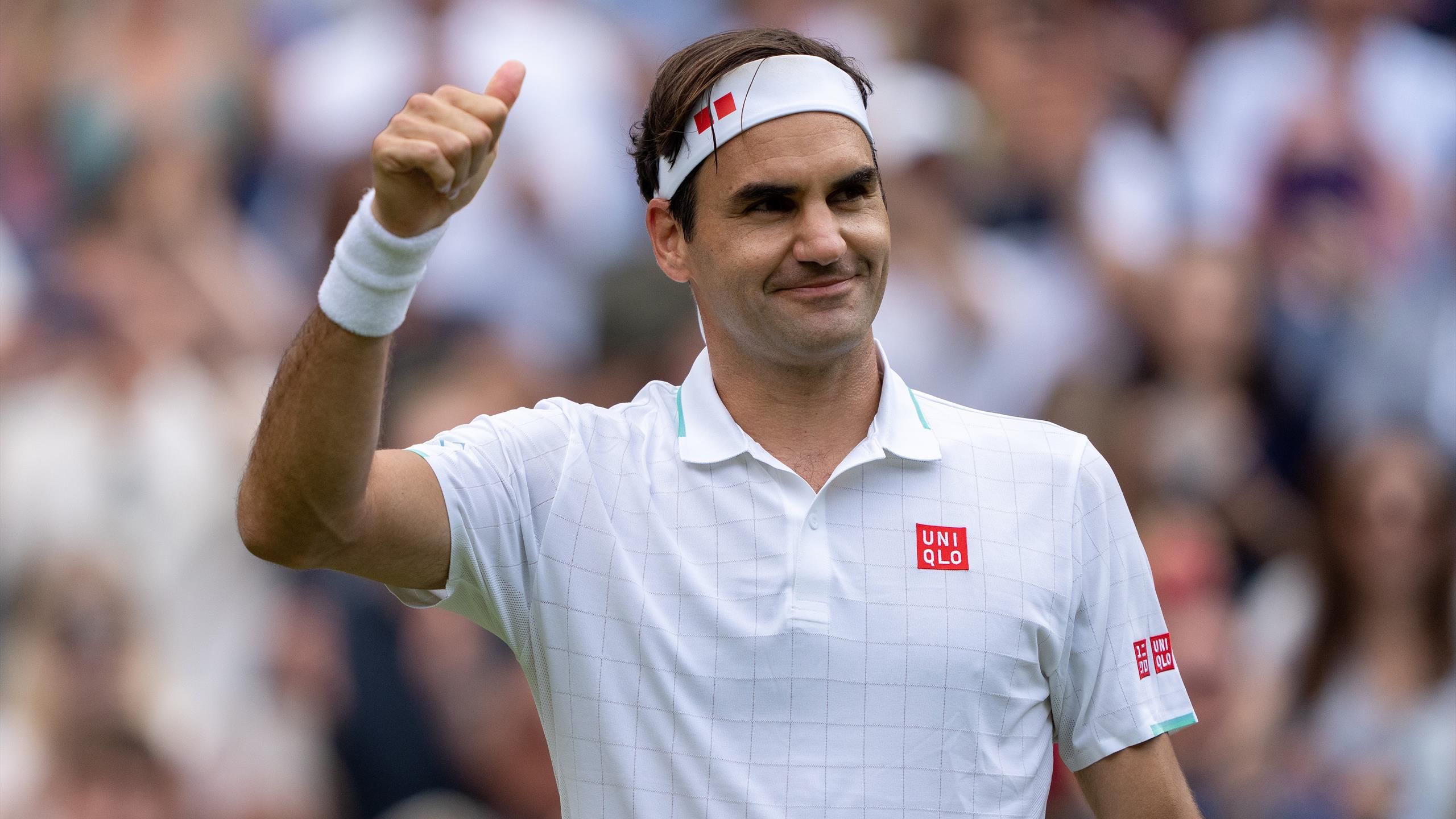
SPORTS WORLD ERUPTS
Introduction
The roar isn’t just from the crowd; it’s a tremor shaking the very foundation of the sports we love. From grassroots leagues to global championships, a storm is brewing, and it’s not one you can simply wait out in the stands. The issue? The escalating mental health crisis among athletes.
For years, we’ve cheered their triumphs, dissected their defeats, and held them to superhuman standards. We’ve seen the dazzling highlights, the record-breaking performances, and the unwavering determination. But behind the smiles, the medals, and the endorsements lies a silent struggle that is now demanding our attention. The sports world is erupting, not in celebration, but in recognition of a crisis that demands a fundamental shift in how we approach athlete well-being.
The Tipping Point: More Than Just Pressure
We’re not just talking about the garden-variety stress of competition. This is a deeper, more pervasive issue that manifests in various forms: anxiety, depression, burnout, eating disorders, substance abuse, and even tragically, suicide. Simone Biles’s withdrawal from events at the Tokyo Olympics, Naomi Osaka’s open discussion about her struggles with anxiety, and Michael Phelps’s long-standing advocacy for mental health awareness have shone a spotlight on this critical issue. These are not isolated incidents; they are symptoms of a systemic problem.
The pressure cooker environment of elite sports certainly contributes. The relentless training schedules, the intense competition, the constant scrutiny of the media and fans, and the financial stakes involved create a breeding ground for mental health challenges. Athletes are often conditioned to suppress emotions, to “push through the pain,” both physical and mental. This culture of silence makes it difficult for them to seek help, fearing judgment or the perception of weakness.
However, the problem extends beyond the elite level. Young athletes, chasing scholarships and dreams of professional careers, are also vulnerable. They face pressure from coaches, parents, and themselves to excel, often sacrificing their mental well-being in the process. The rise of social media, with its constant comparisons and online negativity, further exacerbates these pressures.
Short-Term Stings and Long-Term Scars: Understanding the Impacts
The immediate consequences of neglecting athlete mental health are evident. Performance suffers, relationships strain, and athletes withdraw. Teams struggle, sponsorships dwindle, and the overall enjoyment of the sport diminishes. But the long-term impacts are far more profound.
Untreated mental health issues can lead to chronic conditions that impact athletes’ lives long after they retire. Substance abuse can derail careers and destroy lives. Depression can lead to social isolation and a diminished quality of life. The stigma associated with mental illness can prevent athletes from seeking help, even after their playing days are over.
Moreover, the crisis can have a ripple effect throughout the sports community. Young athletes may become disillusioned, questioning the value of pursuing their dreams if it comes at the expense of their mental health. Coaches and parents may become hesitant to push their athletes too hard, fearing negative consequences. The overall culture of sports may become one of anxiety and fear, rather than one of joy and inspiration.
Turning the Tide: Practical Solutions for a Healthier Sports Culture
The good news is that this crisis is not insurmountable. By taking proactive steps to address athlete mental health, we can create a healthier, more supportive sports culture for everyone. Here are several practical solutions that can make a real difference:
- Education and Awareness: The first step is to break down the stigma surrounding mental illness. Education programs for athletes, coaches, parents, and administrators can help them understand the signs and symptoms of mental health challenges and learn how to seek help. Workshops and seminars can teach coping strategies, stress management techniques, and communication skills.
- Accessible Mental Health Resources: Providing athletes with easy access to qualified mental health professionals is crucial. This includes offering confidential counseling services, both individual and group, and ensuring that athletes know how to access these resources. Teams and organizations should also consider hiring sports psychologists or mental performance consultants to work directly with athletes.
- Culture Change: Creating a culture of support and empathy is essential. Coaches and administrators need to foster an environment where athletes feel comfortable talking about their struggles without fear of judgment. Teams should encourage open communication and create opportunities for athletes to connect with each other on a personal level.
- Early Intervention: Identifying and addressing mental health issues early on can prevent them from escalating. Regular mental health screenings can help detect problems before they become severe. Coaches and teammates should be trained to recognize the signs of distress and know how to offer support.
- Redefining Success: Shifting the focus from solely winning to overall well-being is critical. Athletes should be encouraged to prioritize their mental and physical health, even if it means taking a break from competition. Coaches and parents should emphasize the importance of effort, resilience, and sportsmanship, rather than just the outcome of the game.
- Addressing Social Media Toxicity: Educate athletes on how to manage their social media presence and protect themselves from online negativity. Encourage them to limit their time on social media, block or mute accounts that are causing them distress, and focus on building positive online relationships.
- Holistic Training Approaches: Integrating mental skills training into traditional physical training can equip athletes with the tools they need to cope with pressure and manage stress. This includes teaching techniques such as visualization, goal-setting, and self-talk.
Alternative Approaches and Customized Solutions
Recognizing that one size doesn’t fit all, several alternative approaches can be tailored to the specific needs of individual athletes and teams. These include:
- Peer Support Programs: Creating peer support networks where athletes can connect with others who have similar experiences.
- Mindfulness and Meditation Apps: Utilizing technology to provide athletes with convenient access to mindfulness and meditation resources.
- Creative Arts Therapies: Incorporating creative arts therapies, such as music, art, or dance, to help athletes express their emotions and cope with stress.
- Nature-Based Interventions: Encouraging athletes to spend time in nature, which has been shown to have positive effects on mental well-being.
The key is to create a multifaceted approach that addresses the unique needs of each athlete and the specific challenges of their sport.
A Brighter Future: Taking Action Together
The sports world is at a crossroads. We can continue to ignore the mental health crisis and risk losing a generation of athletes to despair and burnout. Or, we can embrace change and create a sports culture that prioritizes well-being.
The solutions are within our reach. By investing in education, providing access to mental health resources, fostering a culture of support, and redefining success, we can create a brighter future for athletes of all levels.
This isn’t just about winning games or breaking records. It’s about creating a world where athletes can thrive, both on and off the field. It’s about building a legacy of compassion, resilience, and well-being.
The eruption we’re witnessing is not a sign of weakness; it’s a call to action. Let’s answer that call with courage, empathy, and a commitment to creating a healthier sports world for everyone. The time to act is now. Let’s work together to build a sports culture that nurtures the mind, body, and spirit of every athlete. The roar can then be one of genuine celebration – a celebration of strength, resilience, and the enduring power of the human spirit.